
Click on the sites below and explore Keweenaw County!
Explore Keweenaw County
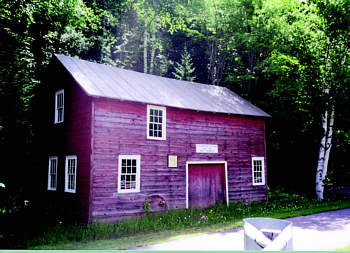
Bammert Blacksmith Shop
Bammert Blacksmith Shop was built in 1882 at Clifton. The building was moved in 1901 to its present location at Phoenix. The building was re-opened in the spring of 2000. The original blacksmith tools are on display. Open to the public.
Additional Information
- Location: 1/2 mile from US 41 on M-26 in Phoenix.
- Call: (906) 289-4990 or (906) 337-2244 for more information.
Learn More
- Visit the Bammert Blacksmith Shop website.
- View on Google Maps
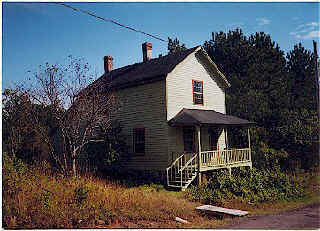
Central Mine
One of the most noteworthy historic sites in Keweenaw County is Central Mine, the village and site of a mine begun in 1854. By the time it closed in 1898, the mine had produced 51,875,527 pounds of refined copper. The Keweenaw County Historical Society has acquired a total of 58 acres in Central since 1996, which includes original residences. There are 10 houses and a Methodist Church. Four of the houses are rented to seasonal residents.
Additional Information
- Location: On US 41, 4 miles N of Phoenix, located on a hillside.
- The church is open one day per year during the Central Reunion at the end of July. A visitor center is open daily during the summer with numerous exhibits.
- Call: (906) 289-4990 or (906) 337-2244 for more information.
Learn More
- Visit the Central Mine website.
- View on Google Maps
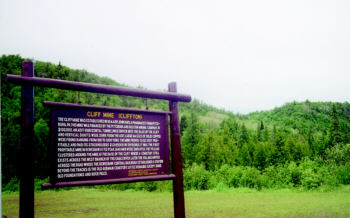
Cliff Mine
The Cliff, which began operations in 1844, was the Keweenaw's first profitable mine. The mine produced 40 million pounds of copper, much of it being chiseled from great masses weighing 100 tons or more. The village of Clifton was named after the mine and was located near the church foundation and cemetery.
Additional Information
- Location: N from Ahmeek on Cliff Dr., then follow Cliff Cemetery sign.
- More information: (906) 289-4990.
Learn More
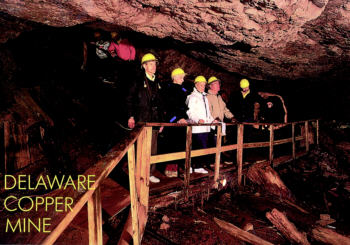
Delaware Copper Mine
Delaware is one of the earliest copper mines in the area, having operated from 1847 until 1887, at the start of the country's first major mining boom. Approximately 8 million pounds of copper were extracted from the site during its 40-year operation. Opened in 1977, the Delaware Copper Mine has been preserved just as it was left at its 1887 closing. Visitors descend 100 feet below ground on stairs through the 31-foot shaft, and venture 900 feet through the mine's first level where the story of 1800s mining is told. Mining equipment, antique engines and trains are displayed throughout the grounds, and a deer pen features two miniature deer. All are accessible via a picturesque walking trail. A gift shop to greet guests with an orientation video completes the facilities.
Additional Information
- Location: 38 miles N of Houghton and 12 miles S of Copper Harbor on US 41.
- More information: (906) 289-4688.
Learn More
- Visit the Deleware Mine Tours LLC website.
- View on Google Maps
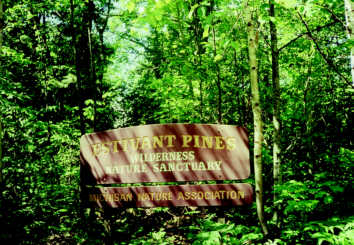
Estivant Pines
Estivant Pines Nature Sanctuary, approximately 500 acres, is the largest virgin white pine forest in Michigan. Two looped trails of about a mile each, lead visitors on easy-to-moderate hikes through this magnificent forest ecosystem. The Estivant name comes from the French family that owned the property, including nearby Clark Mine. The pines were saved from logging many times due to harsh terrain and weather, and were saved from the saw forever thanks to the efforts of local activists and a timely purchase by the Michigan Nature Association. The oldest white pines are estimated to be about 500 years old.
Additional Information
- Location: On US 41, turn right in Copper Harbor. Take Manganese Rd. to Clark Mine Rd. and then turn right at the beaver pond. The pines are located approximately 6/10 of a mile farther.
- More information: (906) 281-3500.
Learn More
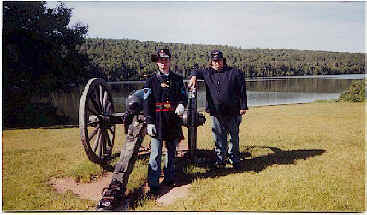
Fort Wilkins State Park
Built in 1844 to keep the peace in Michigan's booming copper country, Fort Wilkins is a well-preserved example of a nineteenth century frontier military outpost. The fort was abandoned in 1846, but re-garrisoned in the late 1860s to house Civil War veterans. Long a popular resort for outdoor enthusiasts, the fort became a state park in 1923. Twelve original structures survived, and army life comes alive through exhibits and living history costumed interpretation. The state park also contains copper mining sites from the 1840s, and a lighthouse museum with restored buildings from 1848 to1866.
Additional Information
- Location: On US 41, one mile E of Copper Harbor.
- More information: (906) 289-4215.
Learn More
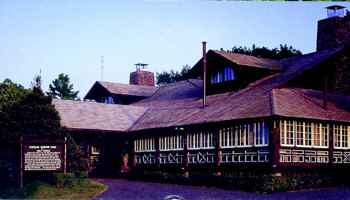
Keweenaw Mountain Lodge
The Keweenaw Mountain Lodge and Golf Course is surrounded by the wild and majestic beauty of Lake Superior and the Keweenaw Peninsula. The original 1935 lodge, a Civil Works Administration Project, is an example of rustic elegance. Lodge amenities include a picturesque dining room, 34 rustic log cabins with fireplaces, an 8-unit motel, and a conference center that can accommodate 250 guests. Activities include a 9-hole golf course, non-motorized trails, snowshoeing and a snowboarding terrain park. Enjoy nearby Copper Harbor, with access to Isle Royale and numerous shops just a mile down the road.
Additional Information
- Location: 1 mile S of Copper Harbor on US 41.
- More information: (906) 289-4403.
Learn More
- Visit the Keweenaw Moutain Lodge website.
- View on Google Maps
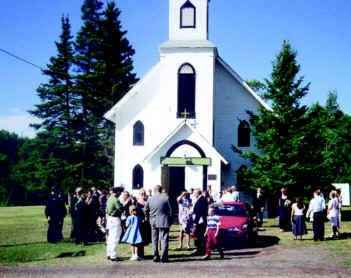
Phoenix Church and Townsite
St. Mary's Church was built in 1858 to serve the Catholic residents in the mining community of Cliff, the scene of the area's first major copper discovery in 1844. Services continued until 1899 when the church was dismantled and reassembled in Phoenix, where it was renamed The Church of Assumption. Masses were held until 1957, marking a century of providing spiritual guidance to mining families and their descendants. In 1985 the Keweenaw County Historical Society took over the property and began extensive repair and restoration work. Although now deconsecrated, the church is still used for weddings, memorial services, and an annual blessing of the pets. Look for nearby foundations of the school and Methodist Episcopal Church.
Additional Information
- Location: On US 41 in Phoenix at the junction of M-26 to Eagle River.
- More information: (906) 289-4990, (906) 337-2244.
Learn More
- Visit the Keweenaw County Historical Society website.
- View on Google Maps
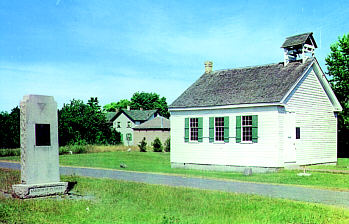
Rathbone School
This one-room school has had an unusual career since classes were dismissed for the last time in 1872. Justus H. Rathbone, who began teaching here in 1860, conceived the idea in this building for the rituals of the Knights of Pythias, a secret fraternal society that he founded. This interdenominational organization, which had a peak membership of a quarter-million, carries on charitable work, always placing great emphasis on its high moral standards. The site has long been an object of pilgrimage by society members from the United States and Canada. In 1982, the property was deeded to the Keweenaw County Historical Society, whose extensive restoration and interpretive work assures that this small corner of Keweenaw's past will have a meaningful future.
Additional Information
- Location: Eagle Harbor, two blocks W of the harbor on Center St.
- More information: (906) 289-4990, (906) 337-2244.
Learn More
- Visit the Keweenaw County Historical Society website.
- View on Google Maps